

Quick answer
The gansbaai whale watching season runs from June through December, with peak sightings occurring between July and October when southern right whales calve in Walker Bay's sheltered waters. Morning tours between 07:00 and 10:00 offer the best visibility and calm sea conditions before afternoon winds arrive. While free land-based viewing is possible year-round from the harbour, boat tours require separate bookings and depart daily from Gansbaai Harbour at 7220 South Africa.
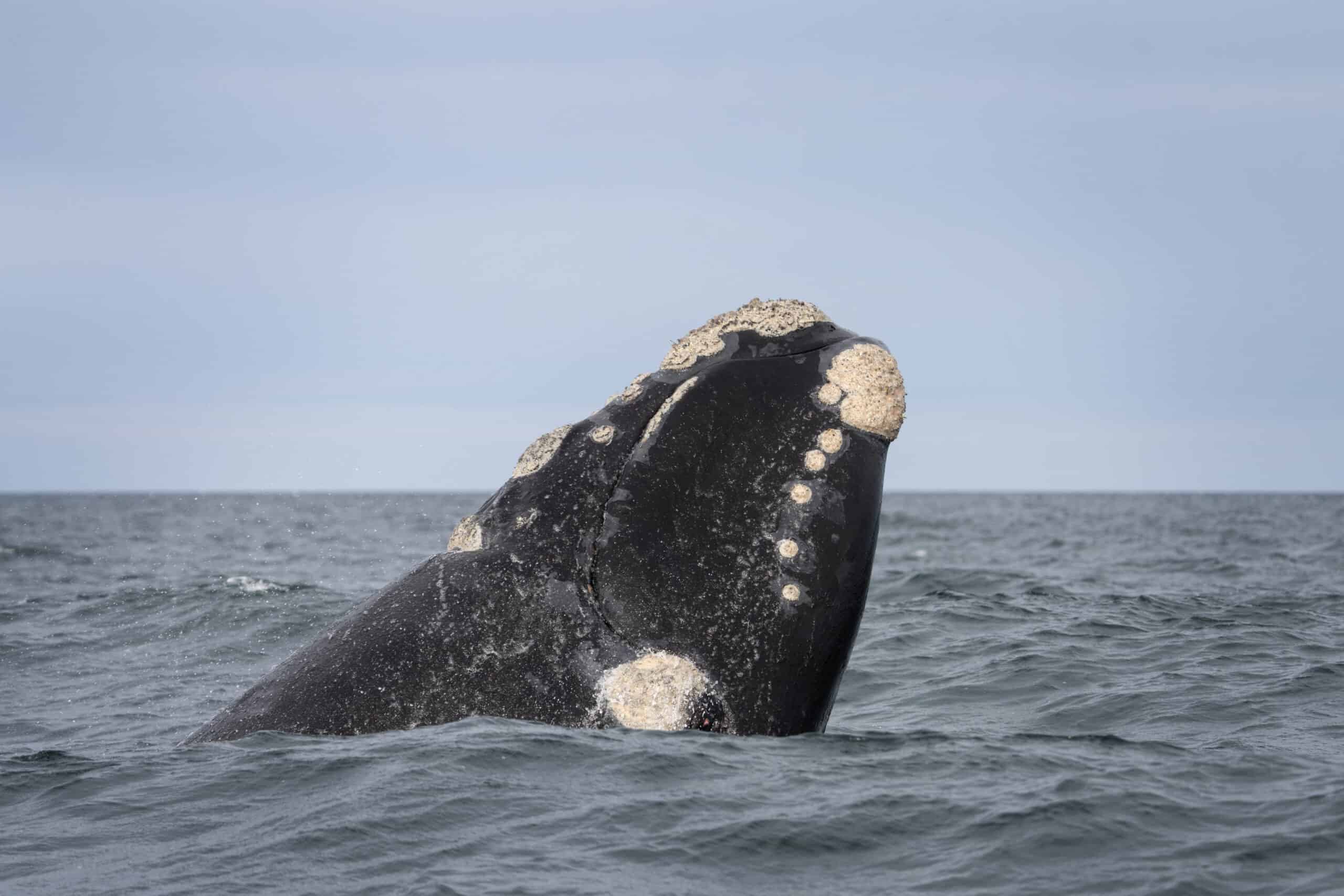
Southern right whales travel more than 6,000 kilometres from Antarctic feeding grounds to the warm, shallow bays of South Africa's southern coast each austral winter. Gansbaai sits at the heart of this nursery zone, where pregnant females arrive in June to give birth and nurse their calves in water rarely deeper than 20 metres. The proximity of Walker Bay's kelp beds to the harbour means boat-based tours reach whale aggregations within ten to fifteen minutes of departure. The gansbaai whale watching season peaks between July and October, when cow-calf pairs linger close to shore and males engage in competitive surface-active behaviour—breaching, tail-slapping, and spy-hopping—that makes sightings dramatic even from land. August and September deliver the highest density of whales per square kilometre, with some days recording more than thirty individuals within viewing range of the harbour. By November, calves have gained enough weight to begin the southward migration, and sightings taper sharply through December as the population returns to Antarctic waters. Sea conditions dictate visibility more than season alone. The South African winter months bring stable high-pressure systems that keep the ocean flat before 11:00, while spring's equinoctial winds can whip Walker Bay into whitecaps by midday. Tours departing between 07:00 and 10:00 benefit from glassy water that reveals whale blows at distances exceeding two kilometres, and the low-angle morning light renders every fluke and flipper in sharp relief. Afternoon slots remain available, but expect chop and reduced sighting range when the southeaster builds. Whale watching in Gansbaai operates year-round—humpback whales and Bryde's whales pass through outside the southern right whale window—but the density, behaviour, and photographic clarity between July and October remain unmatched. The season's brevity and the species' predictable return make advance booking essential, particularly for weekend and school-holiday departures during peak winter months.
“August and September deliver the highest density of whales per square kilometre, with some days recording more than thirty individuals within viewing range of the harbour.”
Operating Hours During the Gansbaai Whale Watching Season
Boat tours operate daily throughout the whale watching season to accommodate visitors. The schedule remains consistent across all seven days of the week.
| Monday | 07:00–18:00 | |
|---|---|---|
| Tuesday | 07:00–18:00 | |
| Wednesday | 07:00–18:00 | |
| Thursday | 07:00–18:00 | |
| Friday | 07:00–18:00 | |
| Saturday | 07:00–18:00 | |
| Sunday | 07:00–18:00 |
Fees and Costs for the Gansbaai Whale Watching Season
Access to the Gansbaai Harbour is free for all visitors. Please note that participating in whale watching boat tours requires a separate paid booking with a registered operator.
While harbor access is free, visitors must book a separate paid boat tour to experience whale watching on the water.
Reaching the Harbor During the Gansbaai Whale Watching Season
Gansbaai Harbour is located in the Western Cape, primarily accessible by private vehicle or pre-arranged shuttle services from Cape Town. Travelers should navigate toward the R43, which connects directly to the Gansbaai town center.
N2 highway to R43 toward Gansbaai
Private transfer from Cape Town International Airport
Preparation Checklist for your Gansbaai Whale Watching Season Trip
Prepare these essentials before your whale watching trip to ensure a smooth experience on the water.
-
Book your boat tour in advance — Tours fill quickly during peak season, especially July through November.
-
Bring warm, layered clothing — Sea temperatures and wind can make conditions significantly colder than on land.
-
Pack motion sickness medication if needed — Ocean swells are common and can affect sensitive passengers.
-
Wear non-slip, closed-toe footwear — Boat decks become slippery from spray and movement.
-
Bring binoculars and a camera — Whales often surface at a distance, and zoom capability improves sighting documentation.
-
Apply sunscreen and bring a hat — UV exposure is intense on open water even on overcast days.
-
Arrive between 07:00–10:00 for departure — Morning tours offer calmer seas and better visibility before afternoon winds pick up.
Check availability
Common Questions About the Gansbaai Whale Watching Season
Everything you need to know about gansbaai whale watching season