

Quick answer
Whale watching is not inherently harmful when operators maintain minimum approach distances of 300 meters for southern right whales and limit observation periods to 30 minutes per group. Studies in Gansbaai waters show that compliant tours do not alter long-term migration patterns or breeding success. The risk emerges when vessels crowd animals, ignore approach angles, or chase pods—behaviors explicitly prohibited under South African marine regulations and enforced through harbor permits.
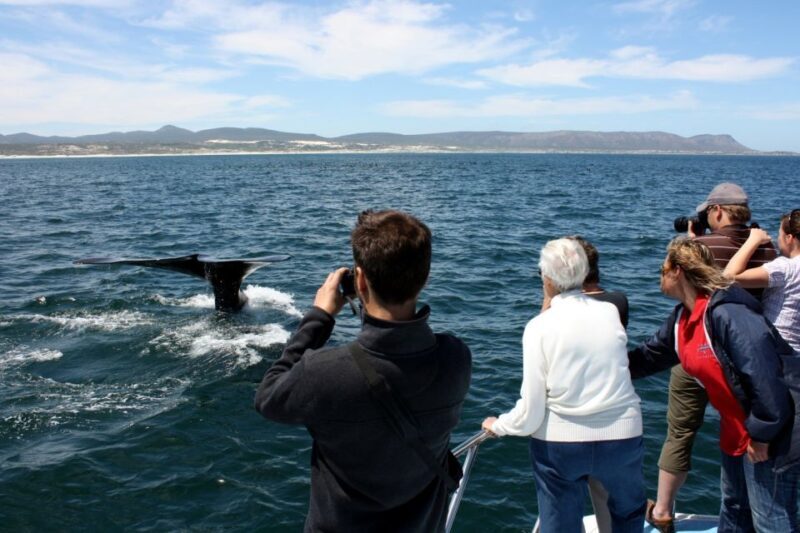
A southern right whale can detect a boat's engine vibration from over a kilometer away, yet mothers continue nursing calves within sight of Gansbaai's shoreline throughout the winter months. This paradox sits at the center of debates about whether marine mammal tourism causes ecological damage or simply represents another element of the coastal environment these animals have adapted to over decades. Research conducted along the Western Cape coast since 2008 distinguishes between acute behavioral responses—temporary changes in swimming speed or direction when a vessel approaches—and chronic population-level impacts that would show up as declining birth rates or shortened visit durations. The data reveals that whale watching practices in Gansbaai, when executed under permit conditions, fall into the former category. Animals may alter their course or dive pattern momentarily, but tracking studies using photo-identification show the same individuals returning to Walker Bay year after year, often with new calves. The 150 ZAR conservation fee collected per passenger funds ongoing behavioral monitoring and contributes to the research infrastructure that informs these conclusions. What determines whether human observation crosses into genuine harm comes down to three factors: proximity, persistence, and predictability. Vessels that approach head-on, remain within 200 meters for extended periods, or follow pods as they move create cumulative stress responses that compound across multiple daily encounters. Gansbaai's permitted operators work within a framework designed to eliminate these stressors—engines are cut once within the observation zone, positioning happens parallel to the whale's travel path rather than intersecting it, and groups disperse once the 30-minute window closes. Boats depart Gansbaai Harbour between 07:00 and 10:00 to take advantage of calmer morning seas, which also reduces engine noise that can mask whale vocalizations. The ethical tension is not whether whales notice the boats—they demonstrably do—but whether that awareness translates into long-term consequences for individual health or population viability. Current evidence from the Walker Bay population, one of the most intensively studied southern right whale groups globally, suggests that compliance with spatial and temporal limits keeps disturbance within tolerable thresholds.
“Tracking studies using photo-identification show the same individuals returning to Walker Bay year after year, often with new calves.”
Is Whale Watching Bad for Whales: Debunking Common Myths
Concerns regarding the impact of vessel presence on marine mammals often stem from confusion between responsible observation and unauthorized harassment. Gansbaai operators mitigate these risks by adhering to strict environmental guidelines and designated approach distances.
MythWhale watching boats cause whales significant stress
FactRegulated operators follow strict navigation protocols and approach distances to minimize disturbance to natural whale behavior.
MythBoat presence forces whales to change their migratory path
FactScientific monitoring in Gansbaai ensures vessels maintain neutral positioning, allowing whales to choose whether to interact or move away.
MythAll whale watching is equally harmful to marine life
FactResponsible operators in this region operate under permits that require ongoing environmental compliance and prioritize the welfare of the animals.
How to Ensure Whale Watching Isn't Bad for Whales
Responsible whale watching in Gansbaai depends on every passenger following protocols that minimize disturbance. Operators maintain safe distances and control engine noise, but visitor conduct on deck directly affects whale stress levels.
Do
- Stay seated when instructed by crew during whale approaches
- Keep voices low near whales to avoid acoustic disturbance
- Follow crew instructions on movement and camera positioning immediately
- Respect minimum approach distances maintained by the skipper
- Report any sightings calmly without sudden movements or shouting
Don't
- Don't lean over railings or make sudden gestures toward whales
- Don't use flash photography or drones near marine mammals
- Don't throw anything overboard or trail objects in the water
- Don't attempt to touch whales if they surface near the vessel
- Don't pressure the crew to move closer than regulatory limits
Gansbaai Whale Watching Operating Hours
Gansbaai whale watching operations are open daily to accommodate visitors. Please review the schedule below to plan your arrival.
| Monday | 07:00–20:00 | |
|---|---|---|
| Tuesday | 07:00–20:00 | |
| Wednesday | 07:00–20:00 | |
| Thursday | 07:00–20:00 | |
| Friday | 07:00–20:00 | |
| Saturday | 07:00–20:00 | |
| Sunday | 07:00–20:00 |
Check availability
Frequently asked questions about is whale watching bad for whales
Everything you need to know about is whale watching bad for whales