

Quick answer
Wear layered, moisture-wicking clothing topped with a windproof and waterproof jacket for whale watching in Gansbaai. Ocean spray, sudden wind gusts, and temperature drops of 8-12°C between harbour and open water require thermal base layers, non-slip closed-toe shoes, and sun protection including a wide-brimmed hat secured with a chin strap. Bring gloves and a neck gaiter for morning departures between June and October when offshore temperatures regularly fall below 12°C.
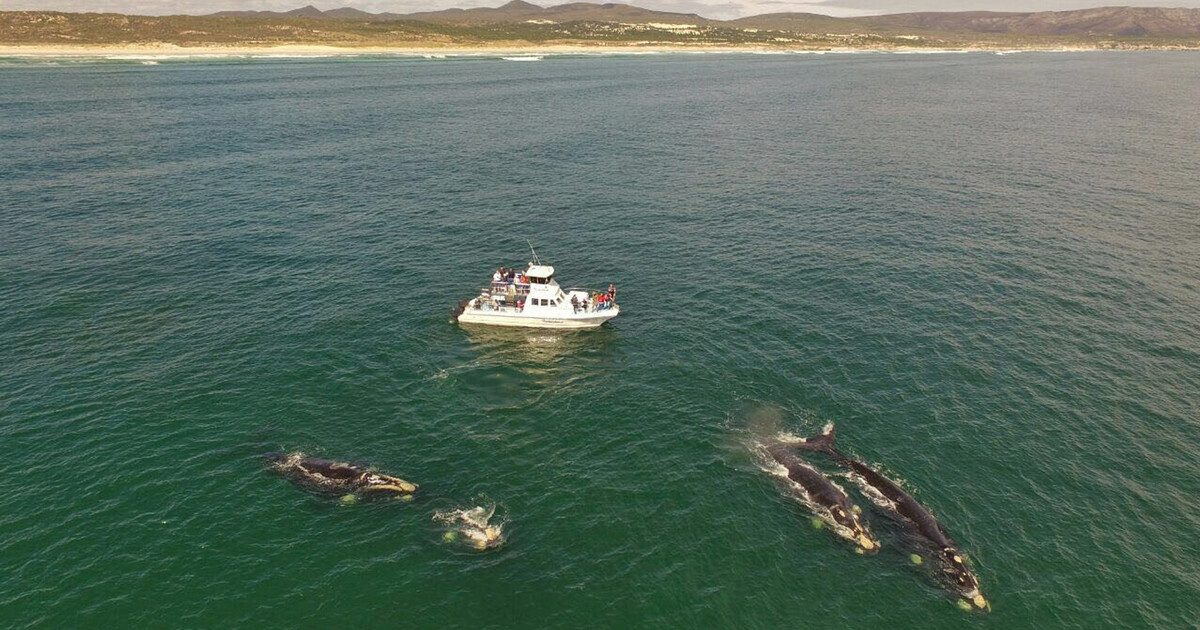
Gansbaai Harbour sits at the edge of one of the world's most biodiverse marine zones, where the Agulhas and Benguela currents collide and create nutrient-rich feeding grounds for southern right whales. The same oceanic forces that draw these mammals also generate wind speeds that accelerate from 15 km/h onshore to 35 km/h two kilometres offshore, often within ten minutes of departure. What felt comfortable at the harbour becomes inadequate once the boat clears Danger Point. The primary challenge is not cold alone but the combination of wind chill, salt spray, and radiant heat loss on an open deck. A cotton shirt dries slowly and pulls warmth away from the body. Synthetic or merino wool base layers wick moisture and retain insulation even when damp. Over that, a fleece or soft-shell mid-layer traps air without bulk, allowing freedom of movement for cameras and binoculars. The outer shell must block wind and shed water, with a hood that fits over a beanie and wrist cuffs that seal against spray. Footwear matters more than most visitors expect. Boat decks become slick with seawater, and non-marking rubber soles with deep tread prevent slips during sudden whale breaches when everyone rushes to the rail. Closed-toe shoes protect against dropped equipment and shifting gear. Sandals, even athletic ones, offer no ankle support and expose feet to cold water that pools in the scuppers. Sun protection operates on two fronts: the southern hemisphere's intense UV index peaks between 10:00 and 14:00, and ocean surfaces reflect up to 25% of radiation back onto exposed skin. A wide-brimmed hat with a secure chin strap prevents loss overboard during wind gusts, while polarised sunglasses reduce glare and improve whale spotting at distance. Reef-safe sunscreen rated SPF 50 or higher applied to face, neck, and hands compensates for hours of uninterrupted exposure. Gansbaai tours depart daily between 08:00 and 14:00 from Gansbaai Harbour at 7220, with morning trips encountering calmer seas before typical afternoon winds develop. Water temperature ranges from 14°C in winter to 18°C in summer, but air temperature drops further offshore regardless of season. The layering system allows adjustment as conditions shift, and what seems excessive in the car park proves necessary fifteen minutes into the voyage.
“The layering system allows adjustment as conditions shift, and what seems excessive in the car park proves necessary fifteen minutes into the voyage.”
Essential Gear: What To Wear During Whale Watching in Gansbaai
Gansbaai's maritime conditions demand windproof layers and stable footing—prepare clothing that handles spray, wind, and shifting decks.
-
Book your whale watching trip online — Tours depart from Gansbaai Harbour and fill quickly during peak season.
-
Pack a windproof and waterproof jacket — Ocean spray and coastal winds persist even on calm days.
-
Wear closed, non-slip footwear — Boat decks become slippery from seawater and motion.
-
Dress in warm, layered clothing — Temperatures drop significantly once on the water, especially in early morning.
-
Bring a beanie or cap with a strap — Wind on open decks can reach high speeds and snatch loose headwear.
-
Apply sunscreen before departure — Reflection off the water intensifies UV exposure throughout the trip.
Considering Weather When Choosing What To Wear During Whale Watching
The best arrival window for whale watching is 08:00–14:00, as morning and early afternoon tours offer better light and calmer seas before typical afternoon winds develop. Planning your visit around these hours helps maintain comfort as sea temperatures and wind conditions fluctuate throughout the day.
June to August
Moderate crowdsCool, 12°C–18°C
Southern Right whales arrive to calve during these colder months.
September to November
High crowdsMild, 15°C–22°C
Peak activity period with frequent whale sightings near the surface.
Morning Tours
Low to moderate—
Calmer sea conditions provide a smoother experience before afternoon winds pick up.
Early Afternoon
Moderate—
Temperatures are typically warmer, though wind speeds can increase later in the day.
Verdict: The best time to visit is during September or October for peak whale activity, utilizing the 08:00–14:00 arrival window for the most stable sea conditions.
Safety and Conduct Guidelines: What To Wear During Whale Watching
Boat-based whale watching demands attention to safety and comfort. Loose items can become hazards in wind and spray, while the right conduct protects both passengers and marine life.
Do
- Secure all accessories before boarding to prevent loss overboard
- Tie back long hair to keep vision clear in wind
- Wear shoes with grip suitable for wet deck surfaces
- Keep hands inside the boat when whales surface nearby
- Follow crew instructions about movement and positioning on deck
- Store personal items in provided waterproof compartments
Don't
- Don't wear wide-brimmed hats that catch wind and obstruct views
- Don't bring loose scarves or accessories that can blow away
- Don't lean over railings or reach toward approaching whales
- Don't wear heeled footwear on potentially slippery deck surfaces
- Don't ignore crew safety briefings about conduct on board
Operational Hours for Gansbaai Whale Watching Trips
The whale watching operations in Gansbaai maintain consistent availability throughout the week to accommodate visitors. You may plan your visit on any day of the week during the following hours.
| monday | 08:00–17:00 | |
|---|---|---|
| tuesday | 08:00–17:00 | |
| wednesday | 08:00–17:00 | |
| thursday | 08:00–17:00 | |
| friday | 08:00–17:00 | |
| saturday | 08:00–17:00 | |
| sunday | 08:00–17:00 |
Entrance and Tour Fees for Whale Watching in Gansbaai
Access to the Gansbaai Harbour area is free for all visitors. Please note that boat-based whale watching tours require separate bookings and incur distinct fees charged by individual operators.
While harbour access costs 0 ZAR, adult tour prices vary depending on the chosen whale watching operator and seasonal demand.
Check availability
Frequently asked questions about what to wear during whale watching
Everything you need to know about what to wear during whale watching